
You Tried Turmeric. It Didn’t Work. Here’s the Actual Reason Why.
Before you write off the most studied herb in Ayurvedic medicine — the problem almost certainly wasn’t the ingredient. It was the formulation.
You bought the turmeric capsules.
You took them consistently — or mostly consistently — for a few weeks.
And nothing happened. Or nothing you could clearly feel.
So you quietly concluded one of two things: either turmeric doesn’t work, or your inflammation is too stubborn to respond to natural remedies. I want to challenge both of those conclusions — because in most cases, neither is true.
The problem isn’t the ingredient. The problem is that curcumin — the active compound in turmeric — is one of the most notoriously difficult nutrients for the human body to absorb. And most supplements on the market do almost nothing to solve that problem.
I spent my PhD studying turmeric specifically. Not nutrition in general. Turmeric. And one of the first things that becomes clear when you study curcumin at a molecular level is why the supplement industry keeps failing people with it.
The Bioavailability Problem
Turmeric root contains a family of compounds called curcuminoids. Curcumin is the most studied of these — responsible for most of turmeric’s well-documented effects on inflammatory signaling. Decades of research have explored curcumin’s role in supporting a healthy inflammatory response. The evidence is substantial.¹
But here is the problem most supplement labels don’t mention:
The core absorption challenge
Curcumin is highly lipophilic — it dissolves in fat, not water. Your digestive tract is predominantly water-based. When you swallow a standard curcumin capsule, your body struggles to absorb it. Most of it passes through without entering circulation in meaningful amounts.²
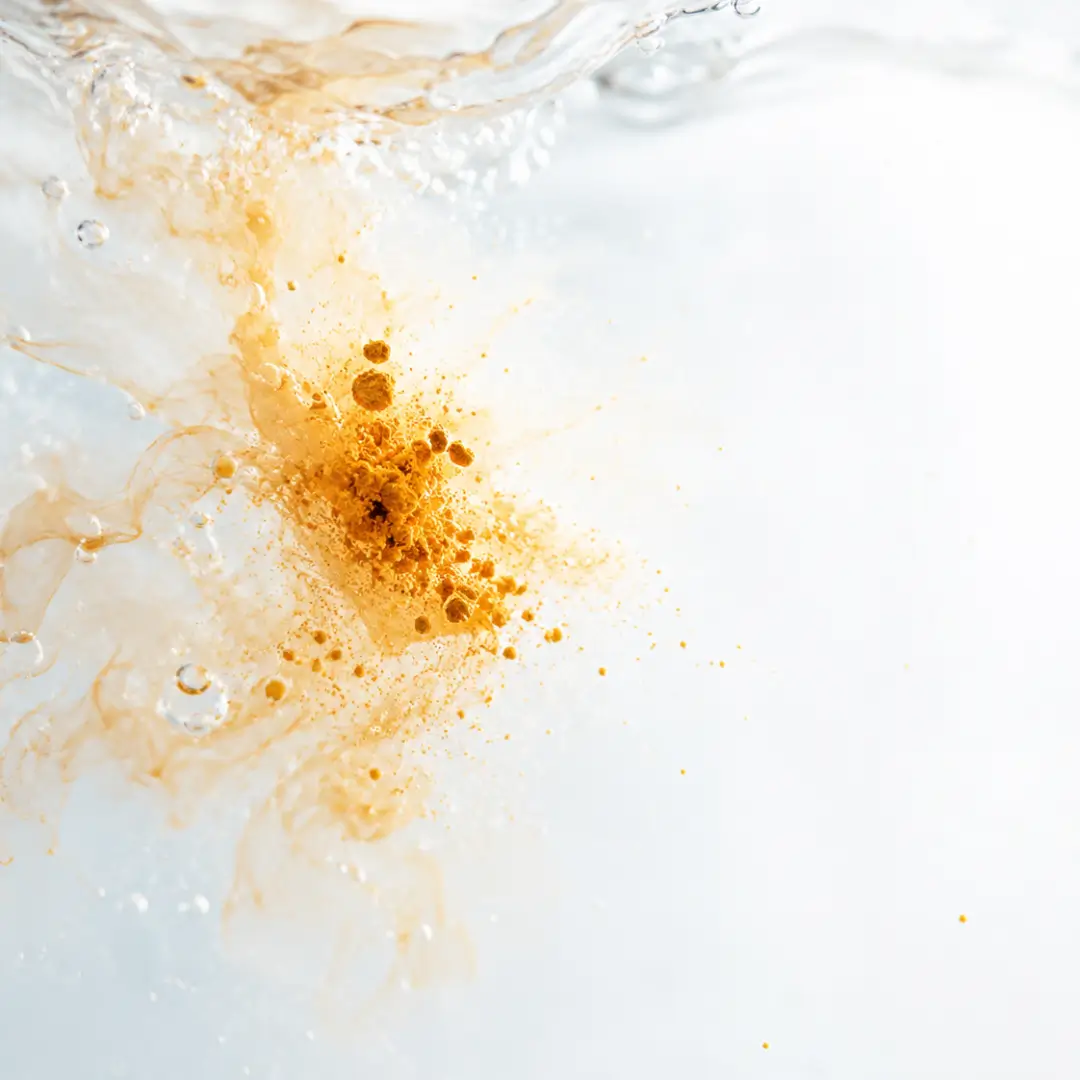
This is not a fringe finding. It is one of the most consistently replicated observations in curcumin research. Which means: if your turmeric supplement didn’t list any absorption-enhancing mechanism on the label, there is a good chance your body absorbed very little of what you took. That is not a failure of turmeric. That is a failure of formulation.
The Piperine Discovery
In 1998, researchers published a study that changed how serious formulators think about curcumin. They found that combining curcumin with piperine — the active compound in black pepper — increased curcumin bioavailability dramatically in human subjects.³
The increase in curcumin bioavailability when combined with piperine (95% extract). Not twenty percent. Not two hundred percent. Two thousand.
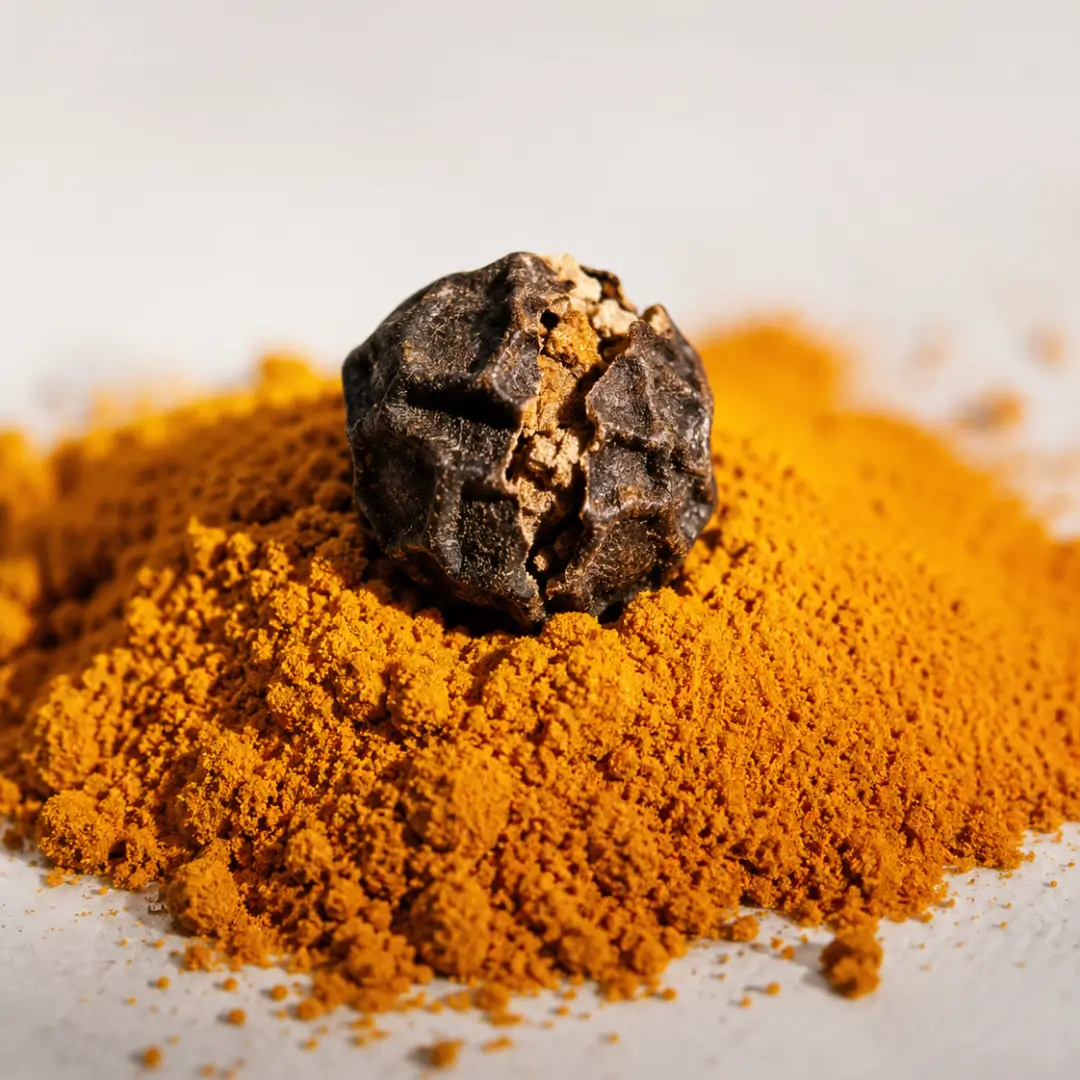
The mechanism: piperine inhibits certain metabolic enzymes that would otherwise break curcumin down before it reaches circulation. It also enhances intestinal absorption. Without it, most of the curcumin is metabolized in your liver before it ever reaches your bloodstream.
This finding is now foundational in quality curcumin formulation. But here’s what surprises most people: even with piperine, standard curcumin extract still has limitations. The particle size matters. The fat-soluble delivery matrix matters. The percentage of curcuminoids in the extract matters. The synergistic compounds it is combined with matter.
Absorption is not a single variable. It is a formulation problem that requires a formulation solution.
Why Most Turmeric Supplements Still Fail
Walk into any supplement store or scroll through any marketplace and you’ll find hundreds of turmeric products. Most of them share the same problems:
This is why the same woman who felt nothing from a standard turmeric capsule feels a genuine difference from a properly formulated product. The ingredient is the same. The bioavailability is not.
What Actually Makes a Turmeric Supplement Work
When evaluating any curcumin supplement — including Fusionary’s — here is what actually matters:
The non-negotiables
Standardized curcuminoid percentage — look for a high percentage of curcuminoids in the extract (95% curcuminoids is the standard in serious formulations), not just “turmeric root powder.”
A bioavailability enhancer — piperine is the most researched. Some advanced formulas use lipid-based delivery or phytosomal technology in addition.
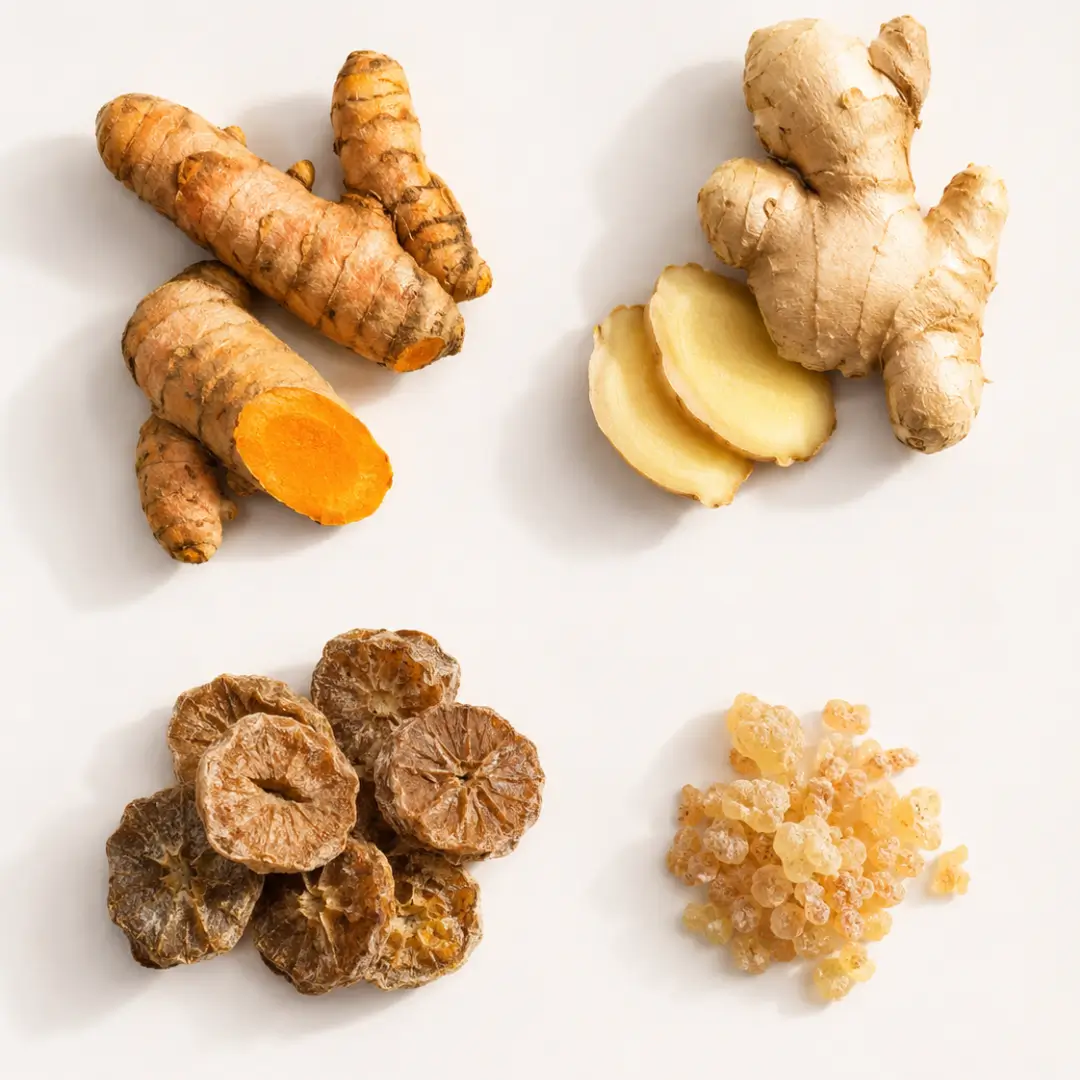
Synergistic herbs — compounds that support both the inflammatory response and the digestive environment in which absorption occurs. Ginger, boswellia, and amla all play this role in well-designed Ayurvedic formulas.
Manufacturing integrity — GMP-certified facilities and third-party testing are non-negotiable for batch consistency. Ask the brand directly if you can’t find this information.
Consistency of use — even the best formula requires daily, sustained intake to support cumulative inflammatory balance. Curcumin is not a rescue compound. It is a rhythm compound.
The Difference Between a Supplement and a System
There is one more dimension that most people overlook. Even a well-formulated turmeric supplement has a ceiling when used in isolation.
Inflammation is not a single-pathway process. It is influenced by sleep quality, stress physiology, gut integrity, and metabolic rhythm — all simultaneously.
“A supplement that supports inflammatory signaling during the day is doing important work. But if sleep is disrupted, inflammation rises overnight. If the gut is inflamed, systemic inflammatory load stays elevated regardless of what you take.”
 — Dr. Shivani Gupta
This is why isolated supplementation often produces partial results. The body responds best when multiple systems are supported together — consistently, over time. That is the difference between taking a supplement and following a protocol.
If you have tried turmeric before and felt nothing, I hope this reframes that experience. You were not wrong to try. You were likely let down by formulation — not by the ingredient, and not by your body.
Frequently asked questions
Why didn’t turmeric work for me?
In most cases, poor absorption is the reason. Standard curcumin supplements have very low bioavailability — your digestive system simply cannot absorb fat-soluble curcumin efficiently without an absorption enhancer like piperine. If your supplement didn’t include this, most of the curcumin passed through without reaching circulation.
What does piperine do in a turmeric supplement?
Piperine — the active compound in black pepper — inhibits the enzymes that break curcumin down before it reaches circulation. Research shows it can increase curcumin absorption by up to 2,000%. This is why a high-quality curcumin formula always includes black pepper extract standardized for piperine content.
How long does turmeric take to work?
Curcumin supports inflammatory balance cumulatively — meaning consistent daily intake over weeks produces more meaningful results than sporadic high doses. Most women notice a difference within 2–4 weeks of consistent use, provided the formula is properly absorbed.
What percentage of curcuminoids should a quality turmeric supplement contain?
Serious formulations standardize to 95% curcuminoids in the extract. Products listing only “turmeric root” without a curcuminoid percentage may contain very little active compound — even in large capsule doses.
References
- Hewlings SJ, Kalman DS. Curcumin: A review of its effects on human health. Foods. 2017.
- Anand P et al. Bioavailability of curcumin: Problems and promises. Mol Pharm. 2007.
- Shoba G et al. Influence of piperine on the pharmacokinetics of curcumin. Planta Med. 1998.
- Mashhadi NS et al. Anti-oxidative and anti-inflammatory effects of ginger. Int J Prev Med. 2013.
What properly formulated curcumin actually feels like
Explore the Fusionary Box
Formulated with 95% curcuminoids, 95% piperine from Indian-sourced black pepper, and synergistic Ayurvedic herbs — third-party tested, absorption-optimized, designed for daily consistency.