
You’re Sleeping Seven Hours. So Why Do You Wake Up Exhausted?
Sleep is not passive recovery. It’s the primary window in which your body regulates inflammation. When that window is disrupted — even subtly — everything else has a ceiling.
It’s 2:13am on a Tuesday.
She’s been awake for forty minutes. Not anxious, exactly. Just awake. Her mind running the list she can’t seem to stop. Her knees aching slightly — something she didn’t notice at 38.
By morning she’ll feel it. The fog that takes until 10am to lift. The second coffee she didn’t used to need. The conversation where she loses a word mid-sentence and has to pause and wait for it to come back.
She tells herself it’s stress. It is stress. But it’s also what stress does to sleep. And what disrupted sleep does to inflammation. And what elevated inflammation does to every system in her body the next day.
I see this pattern constantly in women over 35. And the most important thing I can tell them is this: sleep is not the last thing to address. For many women, it is the first.
What Happens to Inflammation While You Sleep
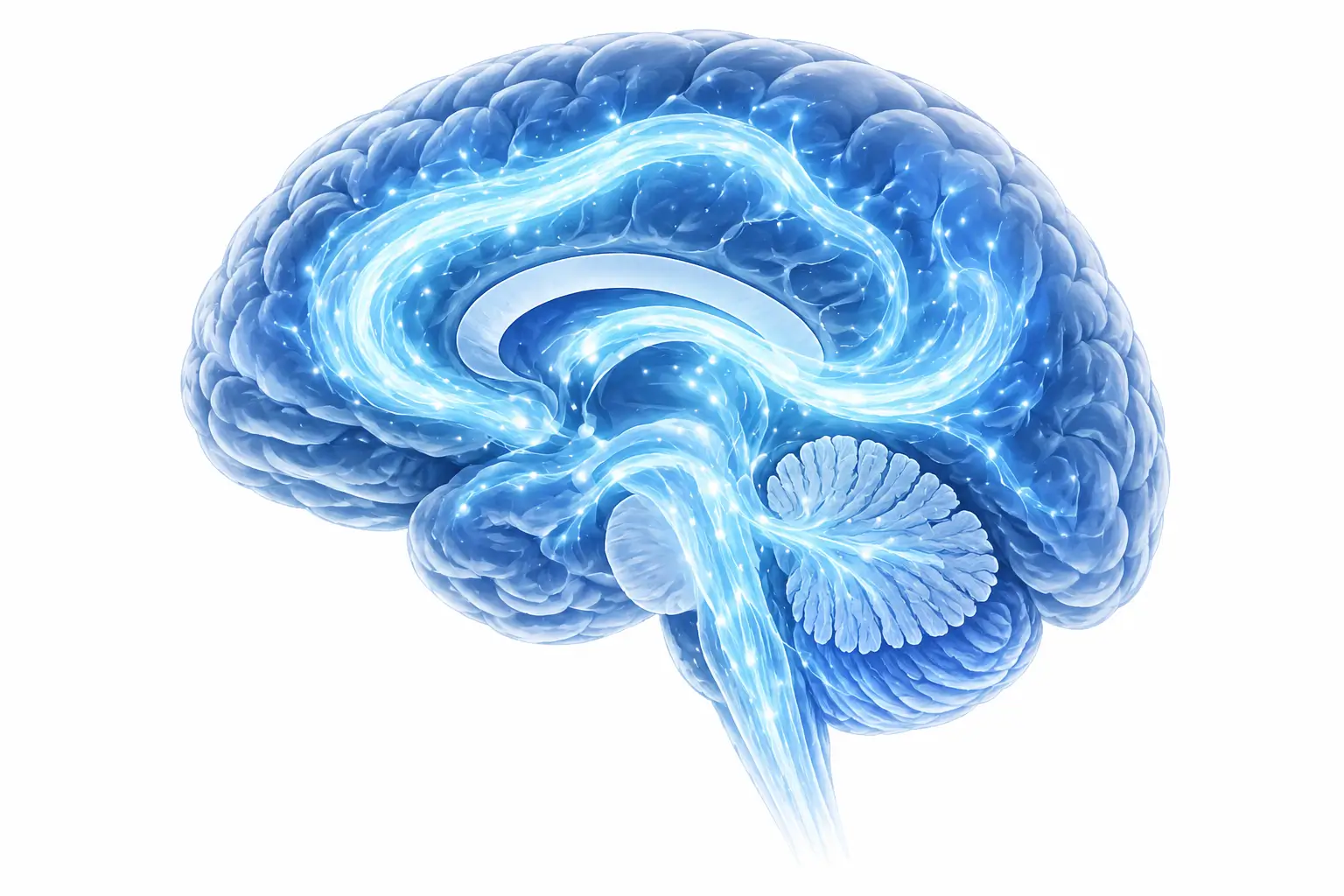
Sleep is not passive. During deep sleep, your body enters its most active repair phase.
The glymphatic system — your brain’s waste-clearance network — becomes highly active, flushing out inflammatory byproducts that accumulate during waking hours.¹ Your immune system calibrates. Inflammatory cytokines that were elevated during the day begin to regulate. Cortisol, which rises through the morning to mobilize you, drops to its lowest point in deep sleep, giving your immune system space to restore balance.²
The key reframe
Anti-inflammatory processes that cannot happen while you are awake and metabolically active happen during sleep. Sleep is when inflammation resolves. Not diet. Not supplements. Not stress management alone. Those create the conditions. Sleep does the work.
What Happens When Sleep Is Disrupted
For women over 35, sleep disruption is rarely dramatic. It doesn’t look like insomnia. It looks like waking at 2am and lying there for an hour. It looks like falling asleep fine but waking unrefreshed. It looks like vivid dreams, light sleep, and mornings that feel harder than they should.
And underneath that disrupted sleep, inflammation is rising. Research published in Sleep found that even partial sleep restriction — losing one to two hours per night over time — is associated with increased inflammatory markers, including IL-6 and C-reactive protein.³
This creates a loop most women don’t see:
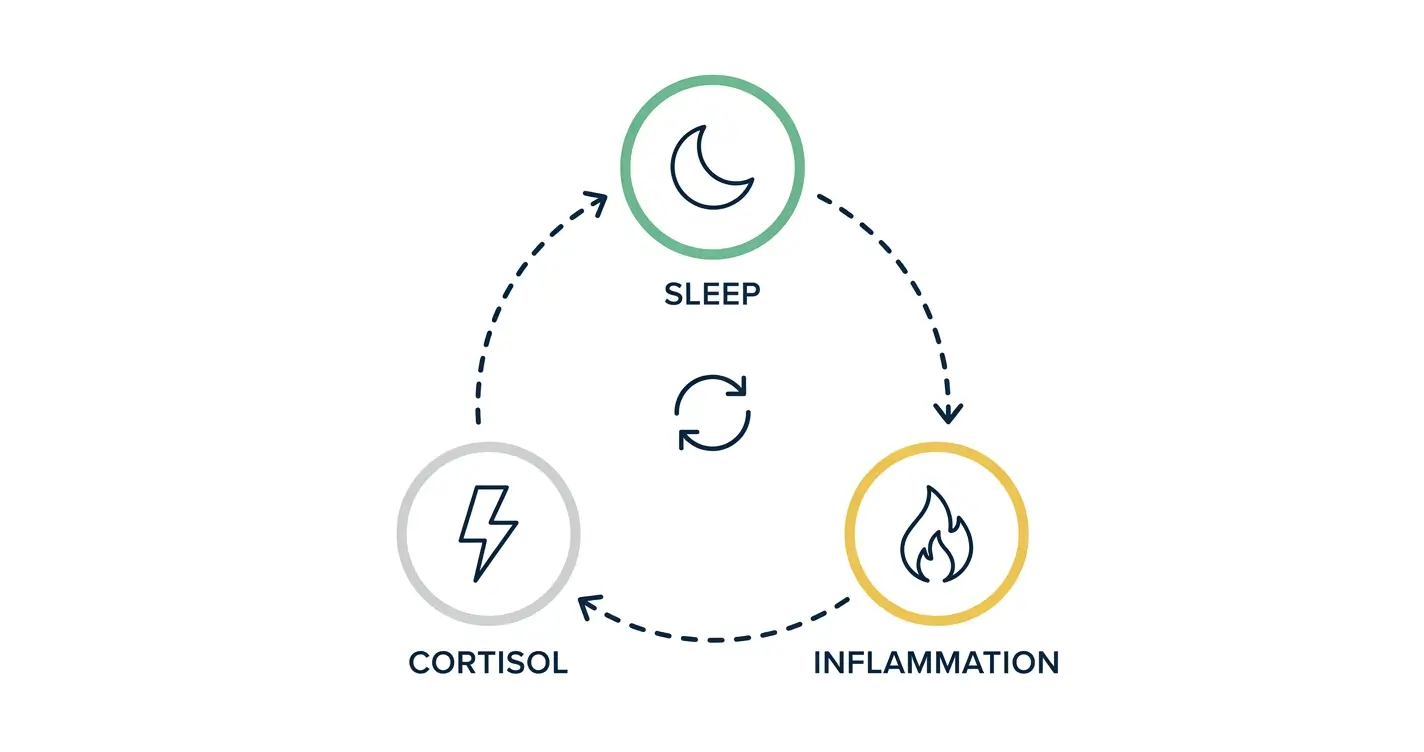
Poor sleep raises inflammation
Inflammatory markers including IL-6 and C-reactive protein increase with even partial sleep restriction over time.
Elevated inflammation disrupts sleep
Inflammatory cytokines interfere with sleep architecture, reducing the deep, restorative stages that do the most repair work.
Disrupted sleep raises inflammation further
Each turn of the loop makes the next night harder. This is why women feel like their sleep “suddenly got worse” — it accumulated.
Why This Gets Worse After 35
During perimenopause, sleep architecture changes. Estrogen and progesterone influence sleep quality directly. Progesterone has natural calming effects on the nervous system — as levels shift, sleep often becomes lighter and more fragmented.⁴

At the same time, cortisol rhythms can become less stable. When cortisol rises too early in the night or too late in the morning, deep sleep stages shorten.
The result is sleep that feels technically adequate but isn’t restorative. You’re in bed for seven hours. But the hours doing the anti-inflammatory work — the deep, slow-wave stages — are reduced.
“That exhaustion is not laziness. It is unresolved inflammation.”
— Dr. Shivani GuptaThe Cortisol-Inflammation-Sleep Triangle
Cortisol is anti-inflammatory in appropriate amounts — it helps regulate immune response during the day. But when cortisol becomes dysregulated — rising too high, staying elevated too late, or spiking at night — it contributes to inflammatory tone rather than suppressing it.⁵
Chronic stress dysregulates cortisol. Dysregulated cortisol disrupts sleep. Disrupted sleep dysregulates cortisol further. Stress, inflammation, and sleep are not three separate problems. They are one loop with three entry points. Which means supporting any one of them supports all three.
Signs Your Sleep May Be Driving Inflammation
The signals often look like other things. Here is what to watch for:
If several of these feel familiar, poor sleep quality may be a significant driver of your inflammatory pattern — even if it has never been your primary concern.
What Supports Restorative Sleep Without Force
The nervous system cannot be forced into deep sleep. It can only be invited. In Ayurveda, this is the principle behind dinacharya — the daily rhythm that prepares the body for restorative rest through a consistent sequence of signals.

What actually moves the needle
Consistent sleep and wake times — more than any supplement or intervention, circadian consistency is the foundation. Your body regulates inflammation, cortisol, and immune function according to a clock that predictability strengthens.⁶
A cooling and darkening environment — body temperature naturally drops during sleep onset. Supporting that drop helps deepen sleep stages.
A nervous system wind-down in the final hour — dimmed lights, reduced stimulation, no screens. Not because it’s fashionable but because your nervous system reads those signals as safety. Safety lowers inflammatory tone.
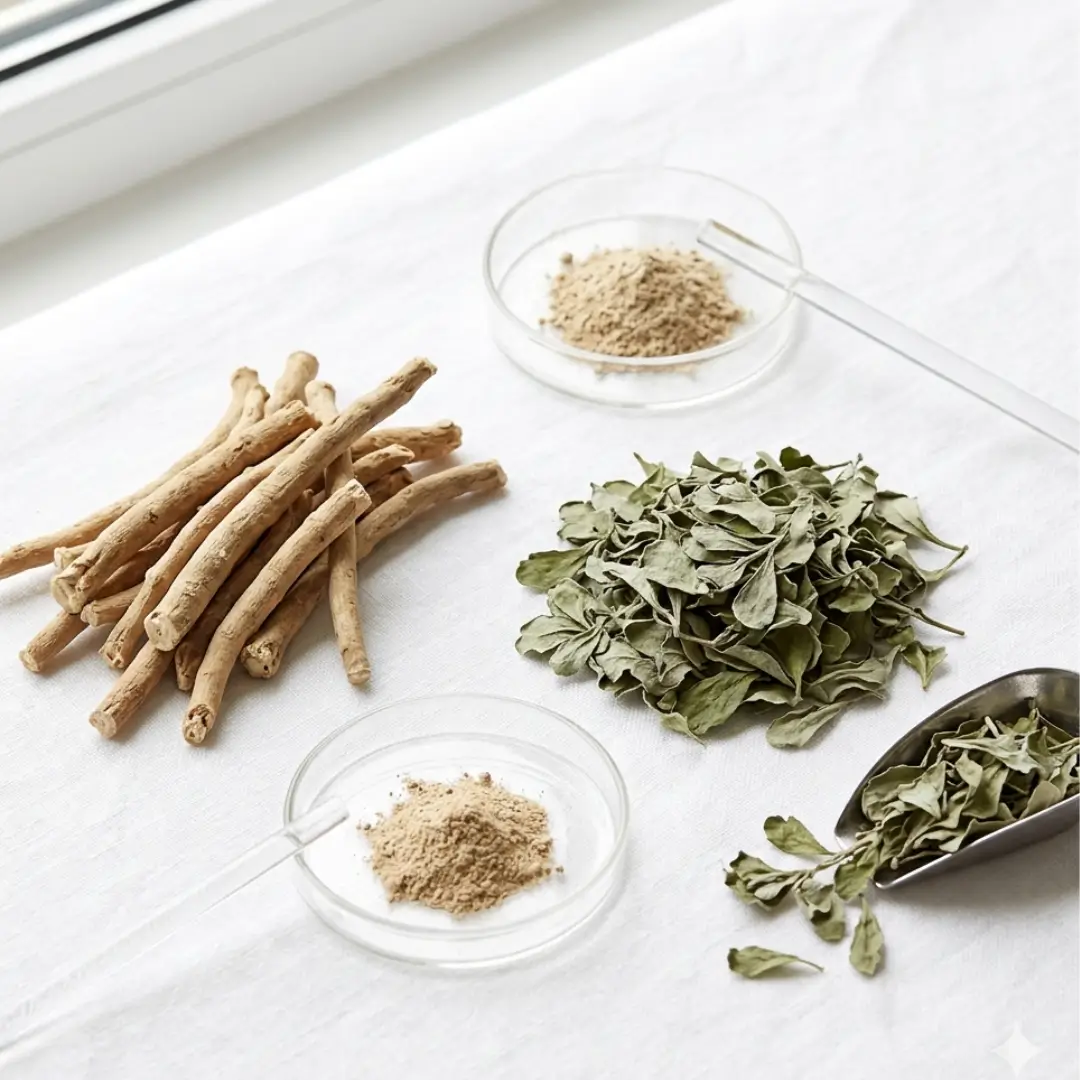
Adaptogenic herbal support — Ashwagandha has been studied for its effects on cortisol regulation and sleep onset.⁷ Paired with brahmi, bhringaraj, and other Ayurvedic nervines in a synergistic blend, the effect is calibration — not sedation.
Blood sugar stability before bed — a small protein-containing snack can prevent the blood sugar dip that often causes the 2am wake-up. This is one of the most overlooked interventions in women’s sleep quality.
None of these require extremes. All of them compound over time. Improving sleep quality is not separate from addressing inflammation. It is one of the most direct paths to it.
Frequently asked questions
Can poor sleep cause inflammation?
Yes. Research shows that even partial sleep restriction — losing one to two hours per night over time — is associated with elevated inflammatory markers including IL-6 and C-reactive protein. A single night of poor sleep can temporarily elevate inflammatory signaling; chronic poor sleep keeps it elevated.
Why do women over 35 sleep worse?
Estrogen and progesterone directly influence sleep quality. As these hormones fluctuate during perimenopause, sleep often becomes lighter and more fragmented — even when total time in bed remains the same. Cortisol rhythm instability compounds the effect, reducing the deep, restorative sleep stages where inflammatory regulation occurs.
What does the 2am wake-up mean?
Waking between 1am and 4am regularly is often associated with blood sugar instability (a glucose dip that triggers wakefulness) or cortisol dysregulation (elevated cortisol at the wrong point in the sleep cycle). Both are addressable through evening nutrition, stress regulation, and adaptogenic herbal support.
What Ayurvedic herbs support sleep?
Ashwagandha has the most research support for cortisol regulation and sleep quality. In Ayurvedic tradition, it is combined synergistically with brahmi (for nervous system calming), bhringaraj (for nervous system settling), and other adaptogens to create a balanced effect — calibrating rather than sedating.
References
- Jessen NA et al. The glymphatic system. Neurochem Res. 2015.
- Besedovsky L et al. Sleep and immune function. Pflugers Arch. 2012.
- Irwin MR et al. Sleep loss and inflammatory markers. Sleep. 2006.
- Shaver JL, Zenk SN. Sleep disturbance in menopause. J Womens Health. 2000.
- Buckley TM, Schatzberg AF. HPA axis and sleep. J Clin Endocrinol Metab. 2005.
- Scheiermann C et al. Circadian control of the immune system. Nat Rev Immunol. 2013.
- Chandrasekhar K et al. Ashwagandha root extract and stress. Indian J Psychol Med. 2012.
Sleep is where inflammation resolves
Start the 7-Day Inflammation Reset
Sleep rhythm support is a core pillar of the Reset — because without it, everything else has a ceiling. Seven days to reduce inflammatory load and stabilize the rhythms your body needs to heal.